Guess what the second most popular spice is after black pepper. The answer is, CUMIN, the ancient spice that dates back to the Old Testament.
Cumin is a small dried fruit of an annual plant in the parsley family. Yes, it is a fruit and not a seed as how we have been calling it; cumin seeds. It is also often confused with caraway seeds that are milder to the taste, darker in colour, and smaller in size. Cumin is yellowish-brown in colour, uniformly elliptical and deeply furrowed. It is crescent-shaped, tapering at each extremity and at times, with tiny stalks attached.
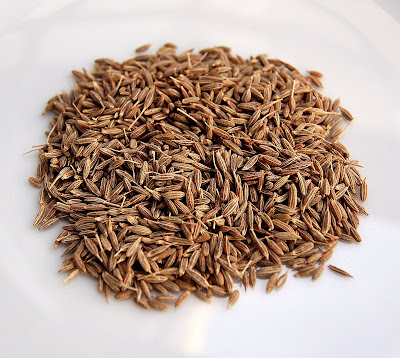
Cumin is an aromatic spice with a distinctive, pungent, powerful, sharp and a slightly bitter flavour. The flavour is accentuated by toasting. It has a strong, warm and a spicy-sweet aroma. This is due to its 2.5 to 4% essential oil content. By storing it in an airtight container and placing in a cool, dry area, away from light, the flavour and aroma can be retained for up to six months.
Cumin can be used whole or ground into powder. Though native to the Mediterranean, it is a must in Indian, Mexican, Asian, Northern African, Middle Eastern and Latin American cooking. Cumin is also a key component in chilli powder, curry powder and garam masala. It is even burned with woods to smoke cheeses and meats. Cumin should be used with restraint as it can exclude all the other flavours in a dish.
With its digestive properties, cumin is the best appetizer of all the condiments. It is valuable in dyspepsia diarrhoea and hoarseness, and may relieve flatulence and colic. Being a high source of iron, it increases lactation and reduce nausea in pregnancy. As a natural way, cumin is also believed to increase breast size. The Romans and the Greeks used it medicinally and cosmetically to induce a pallid complexion.
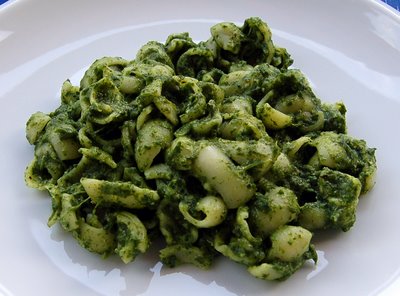
As my entry to the Think Spice Event, I am introducing cumin to the classic and easy Italian pesto sauce.
Cumin Spinach Pesto Pasta
What do we need:
1 cup pasta
1 bunch spinach
1/3 cup toasted almonds
1/2 cup grated parmesan cheese
1/2 cup extra virgin olive oil
3 cloves garlic, chopped
1 onion, chopped
1 tsp cumin
salt
pepper
How do we do it:
Wash the spinach leaves thoroughly and drain the water. Set aside.
Boil a pot full of water with a generous amount of salt. Cook the pasta in the boiling water to al dente or until the time specified on the pasta package. When cooked, drain and set aside.
Heat 2 tbsp of olive oil and fry the cumin seeds for 10 seconds until aromatic. Add the spinach and sauté just until tender. Transfer the cooked spinach into a food processor. Add onion, garlic, toasted almonds and grated cheese. Season with salt and pepper. Pulse a few times. Slowly pour the remaining olive oil in a constant stream while the food processor is on. Stop to scrape down the sides of the food processor. Blend until thick paste forms.
Pour the pesto onto the pasta, toss and serve hot.
Cumin is a small dried fruit of an annual plant in the parsley family. Yes, it is a fruit and not a seed as how we have been calling it; cumin seeds. It is also often confused with caraway seeds that are milder to the taste, darker in colour, and smaller in size. Cumin is yellowish-brown in colour, uniformly elliptical and deeply furrowed. It is crescent-shaped, tapering at each extremity and at times, with tiny stalks attached.

Cumin
Cumin is an aromatic spice with a distinctive, pungent, powerful, sharp and a slightly bitter flavour. The flavour is accentuated by toasting. It has a strong, warm and a spicy-sweet aroma. This is due to its 2.5 to 4% essential oil content. By storing it in an airtight container and placing in a cool, dry area, away from light, the flavour and aroma can be retained for up to six months.
Cumin can be used whole or ground into powder. Though native to the Mediterranean, it is a must in Indian, Mexican, Asian, Northern African, Middle Eastern and Latin American cooking. Cumin is also a key component in chilli powder, curry powder and garam masala. It is even burned with woods to smoke cheeses and meats. Cumin should be used with restraint as it can exclude all the other flavours in a dish.
With its digestive properties, cumin is the best appetizer of all the condiments. It is valuable in dyspepsia diarrhoea and hoarseness, and may relieve flatulence and colic. Being a high source of iron, it increases lactation and reduce nausea in pregnancy. As a natural way, cumin is also believed to increase breast size. The Romans and the Greeks used it medicinally and cosmetically to induce a pallid complexion.
As my entry to the Think Spice Event, I am introducing cumin to the classic and easy Italian pesto sauce.
Cumin Spinach Pesto Pasta
What do we need:
1 cup pasta
1 bunch spinach
1/3 cup toasted almonds
1/2 cup grated parmesan cheese
1/2 cup extra virgin olive oil
3 cloves garlic, chopped
1 onion, chopped
1 tsp cumin
salt
pepper
How do we do it:
Wash the spinach leaves thoroughly and drain the water. Set aside.
Boil a pot full of water with a generous amount of salt. Cook the pasta in the boiling water to al dente or until the time specified on the pasta package. When cooked, drain and set aside.
Heat 2 tbsp of olive oil and fry the cumin seeds for 10 seconds until aromatic. Add the spinach and sauté just until tender. Transfer the cooked spinach into a food processor. Add onion, garlic, toasted almonds and grated cheese. Season with salt and pepper. Pulse a few times. Slowly pour the remaining olive oil in a constant stream while the food processor is on. Stop to scrape down the sides of the food processor. Blend until thick paste forms.
Pour the pesto onto the pasta, toss and serve hot.